
Social Media Marketing
Social is not a channel. It is the connective tissue.
On its own it rarely pays for itself. Joined to your search, your website and your ads it makes all three work harder: it feeds SEO, it answers the buyer before they call, and it gives paid budget something worth amplifying.
New monthly clients go on a waitlist.
- You deal with me, start to finish
- Based in Sydney
 Meta
MetaPosting daily into the void isn't a strategy, it's a chore with analytics. Social pays when presence has a point.
The usual way
Same graphic on four platforms. Engagement means counting likes. The intern answers DMs when they remember. No connection between any of it and revenue.
How I do it
Two platforms chosen on evidence, content built from what your buyers care about, community answered daily, and the posts that prove themselves organically get paid amplification.
Most businesses are sold social as a thing that generates leads by itself. For most of them it does not, and the reporting that follows is a wall of impressions nobody can spend. Judge social on what it does to the rest of your marketing, not on its own follower count.
What social signals are, and what they actually do. Social signals are the public engagement your content collects: shares, comments, saves, follows and mentions. You will read a lot of copy claiming they lift your Google rankings directly. They do not, and we would rather tell you that than sell you a myth. Google has stated since 2015 that social signals are not a direct ranking factor and that position has not changed.
What they are is a leading indicator of the three things that genuinely do move rankings. Content that travels gets discovered by people who publish, and some of them link to it. People who keep seeing your name start searching for it, and branded search volume is a strong trust signal for a small business. And a post that sends genuinely interested visitors produces the engagement patterns search engines can actually observe. Your profiles are also indexed pages linking back to your site from domains search engines already trust.
Nobody spends real money without looking you up first. The bigger the purchase, the more checking happens before the call. Someone sees your ad, or gets your name from a neighbour, and the next thing they do is look at your socials. They are not browsing, they are deciding whether you are real. Emplifi's June 2026 research found 86 percent of consumers are more likely to buy from a brand that replies quickly. A profile with nothing on it since last year answers that badly. An active one answers what your website does not get to: what your work looks like, that there are people behind it, and that the questions they are quietly worried about have been dealt with before.
Paid and organic are the same machine. Run separately they both underperform. Well-produced content tends to hold attention better in both feeds and ads, and the same shoot supplies both, so you are not paying twice. Organic tells you which pieces people actually respond to, and paid puts money behind the proven ones instead of guesses. Reach bought today becomes followers who see tomorrow's post for nothing, which lowers what you need to spend next time. Warmer audiences and stronger brand recall then reduce what you pay for the same result across search and social.
In our experience the fastest return is not on the big platforms at all. It is on the surfaces Google owns and reads directly, starting with your Google Business Profile. Posting completed jobs, photos and updates there feeds the same system that decides whether you appear in the local pack, and it reaches people at the exact moment they are searching for what you do. For local service businesses it is usually the cheapest distance between content and a phone call, and it is the first thing we set running.
Fewer platforms, better presence.
Strategy, content, community, one coherent voice.
Built from your brand guidelines
Our system works from your colours, typefaces, logo files and approved claims, so the output looks like you rather than a template with your logo dropped on it.
Brand guidelines, if you do not have them
We build them first, extracted from your live site and existing artwork rather than invented: colour roles, typography, logo variants for light and dark, and the rules for using them. Yours to use everywhere else.
Content from your own material
We read your existing pages and turn them into posts, so the claims are yours and already signed off. If two of your pages contradict each other, you hear about it before anything publishes.
Google Business Profile posts
Completed jobs and updates posted to the surface Google reads directly, which for local service businesses is usually the shortest path from content to a phone call.
Share-image and metadata audit
Every article checked for what it actually hands out when shared. Broken share images are common, invisible, and affect every platform at once.
Platform strategy
Audience data decides where you show up. Two platforms done properly beats five done thinly.
Content production
Graphics, copy and short video built from your actual work and expertise, scheduled, consistent, on-brand.
Community management
Comments, DMs and mentions answered daily: the part of social that actually builds relationships.
Paid amplification
Posts that prove themselves organically get budget behind them, paid spend follows evidence.
Social listening
Brand mentions and competitor moves monitored, so opportunities and problems surface early.
Honest reporting
Reach, engagement and attributed enquiries, measured monthly against the strategy, not against vanity counts.
You pay to make it once. It works in four places.
This is the part that gets missed when social is bought as a standalone line item. The expensive bit is production: deciding what to say, writing it, designing it, and getting it approved. Once that exists, putting it in front of four different systems costs almost nothing extra. That is the multiplier, and it is why social is worth running even when its own follower count is unimpressive.
Your website
Every post links back to the article it came from.
Referral visits, and the engagement patterns search engines can actually observe.
Google Business Profile
The same job photos and updates posted to the surface Google reads directly.
Local pack signals, reaching people at the moment they search.
Paid ads
Organic performance nominates the winners. Paid puts budget behind proven creative.
No spend on guesses, and warmer audiences that cost less to reach.
The buying decision
The profile someone opens after your ad, or before spending real money.
The question 'are these people real' gets answered before they call.
Each part feeds the next. Run one alone and you pay full price for all of it.
Social to SEO
Content that travels gets found by people who publish, and some of them link to it. People who keep seeing your name start searching for it, and branded search is a strong trust signal for a small business.
Social signals are not a direct Google ranking factor. Google has said so since 2015. What they are is a leading indicator of the things that are.
SEO to Social
The articles that already rank are the ones worth turning into posts. Your search data tells you what people actually ask, so the calendar is written from demand rather than from a brainstorm.
This is why the audit runs before a single post is written.
Paid to Social
Paid reach today becomes followers who see tomorrow's post for nothing. Amplification now can lower what it costs to reach the same people next month.
Well-produced content tends to hold attention better in both feeds and ads, and one shoot supplies both.
Social to Paid
A month of organic posting is a live test of which messages land. The winners become ad creative that has already proven itself, instead of an assumption with budget behind it.
Emplifi's June 2026 research found 86 percent of consumers are more likely to buy from a brand that replies quickly.
The same system. A different shape in every industry.
A plumber and a medical device supplier both need social. They need almost nothing else in common. The platform that matters, the content that works, and the part of the multiplier worth chasing are different in each, and a plan that ignores that is a template. Here is how it actually changes.
Trades and home services
Plumbing, electrical, building, pest, plastering, roofing, handyman.
Google Business Profile and Facebook. The buyer is local, already searching, and picks from the map before they pick from a feed.
Job proof, before and after, what a job actually costs, and the seasonal warning that arrives the week before it matters.
The Google surface. Profile posts, photos and reviews feed the same listing the phone already rings from, so the effort compounds where the leads already are.
Automotive and mobile services
Inspections, mobile mechanics, detailing, tyres, fleet servicing.
Local Facebook groups and Google. Demand here is a question with a deadline attached, and the person asking is usually asking in public.
Eligibility rules, what fails and why, what it costs, and how fast you can get there.
The search loop. Every question you answer once becomes a post, a profile update and a page that keeps ranking long after the post has scrolled away.
Health, beauty and personal services
Clinics, aesthetics, hair, allied health, personal training.
Instagram first, then TikTok. This is the one vertical where the grid genuinely is the shopfront.
Results shown honestly, the practitioner on camera, and the explainer that answers the thing nobody wants to ask out loud.
The trust loop. Nobody books something done to their body without looking at your profile first, so that profile is doing the selling whether you maintain it or not.
B2B and professional services
Suppliers, agencies, buyers agents, brokers, builders selling to developers.
LinkedIn, and on personal profiles more than the company page. Document carousels tend to do well there right now.
Carousels, market reads, deal breakdowns, and the thinking behind a decision rather than the announcement of it.
Paid amplification. Sales cycles run in months here, so organic content warms the exact audience your ads then retarget, and those two things are priced very differently.
Retail and hospitality
Cafes, venues, apparel, studios, anything with a door and a repeat customer.
Instagram and Facebook, with Google Business Profile carrying the hours, menu and photos people check on the way.
What is on today, the room, the people, and a reason to come back this week rather than eventually.
Top of mind. This is a memory business. The post does not have to sell, it has to be the thing they thought of at the moment they decided.
If your business is not on this list, that is not a problem, it is the first conversation. The audit decides where you actually show up, and the answer is arrived at from your data rather than from the vertical you happen to sit in.
One vertical, worked through: Pink Slips NSW, September 2026
We opened by telling them not to expect leads.
Pink Slips NSW is a mobile vehicle inspection business. Their LinkedIn page had two followers and no post impressions. A content calendar was never going to produce bookings in month one, so the plan said exactly that in its own headline, before it listed a single post.
Then it argued for the thing that actually paid. Auditing their share images first turned up something worth more than the month of posting: every article on their site handed out an unrelated stock photo when shared anywhere. Four were luxury European cars. The vehicle maintenance article shared a photograph of folded laundry. That is what every share of their site looked like, on every platform, and it had been true for as long as the articles had been live.
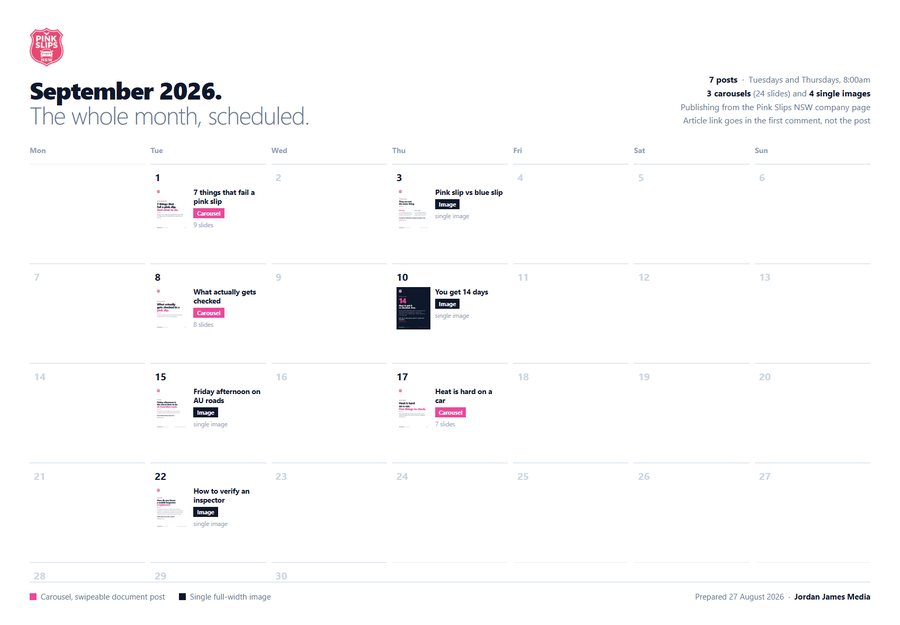
Format chosen by what the article actually is.
A carousel where the piece is genuinely a list the reader can count. A single full-width image where it is one striking fact. Not a house style applied to everything. The link goes in the first comment, because links in the post body tend to reduce how many people see it.
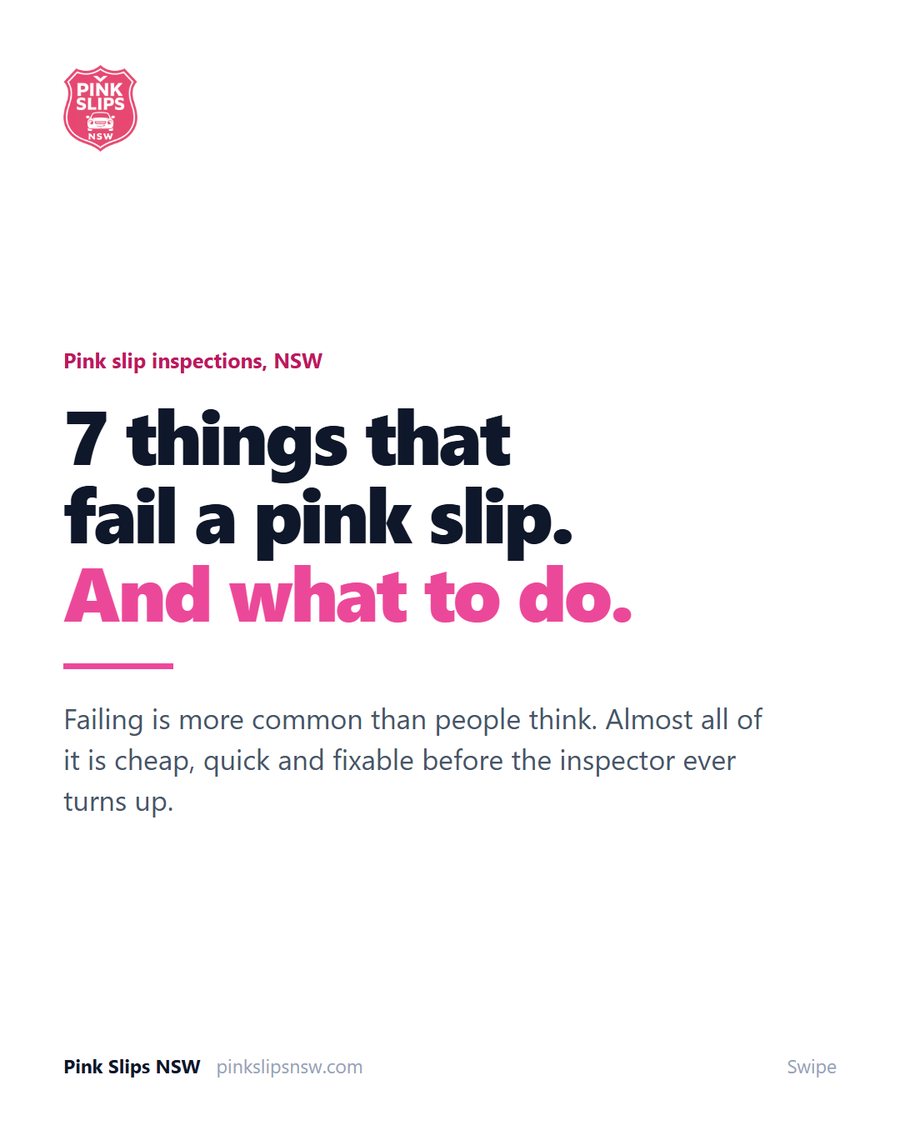
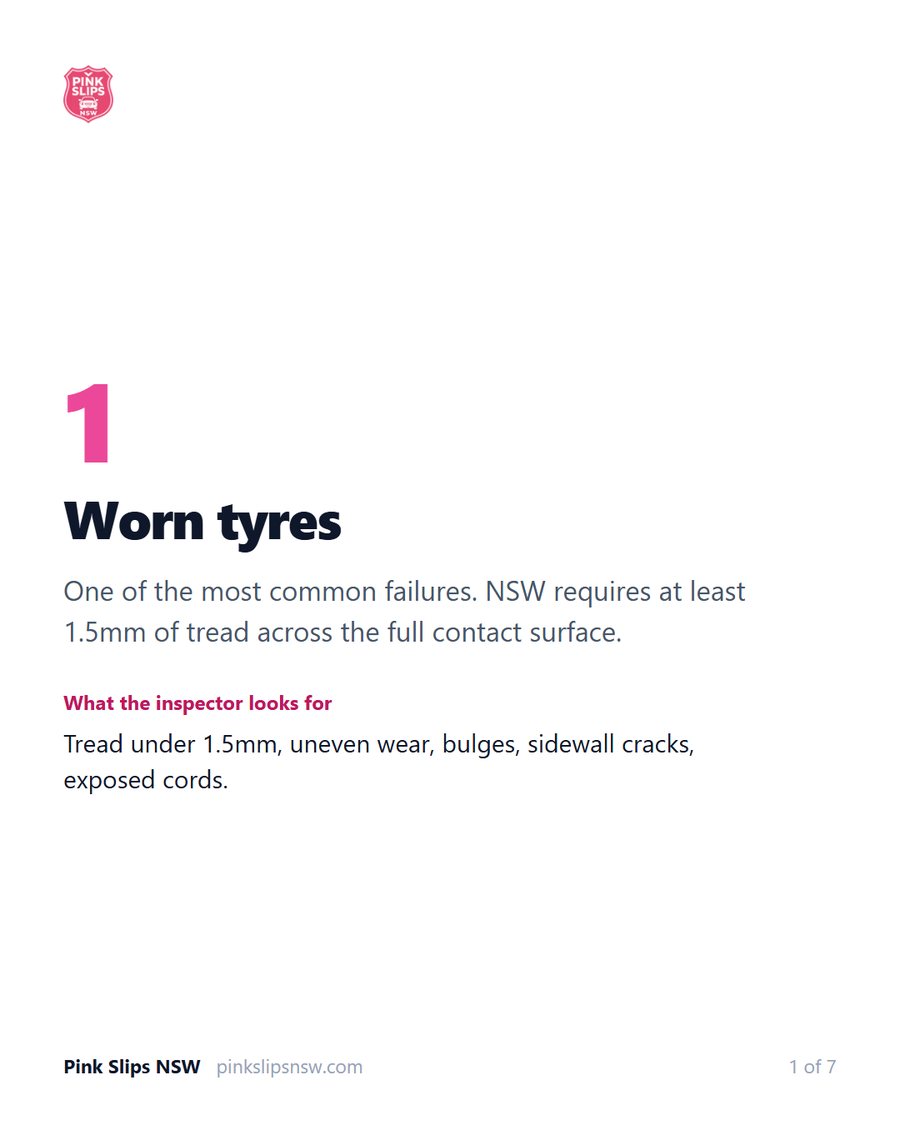
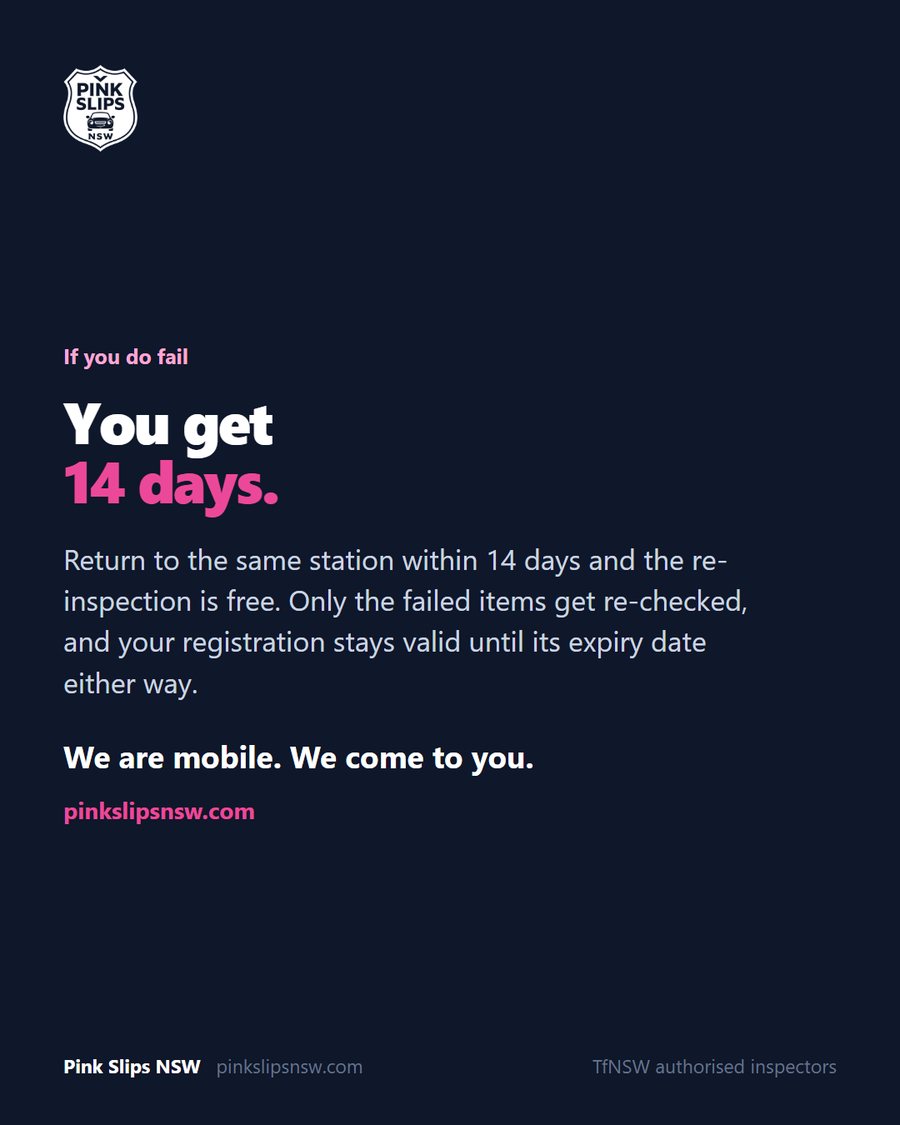
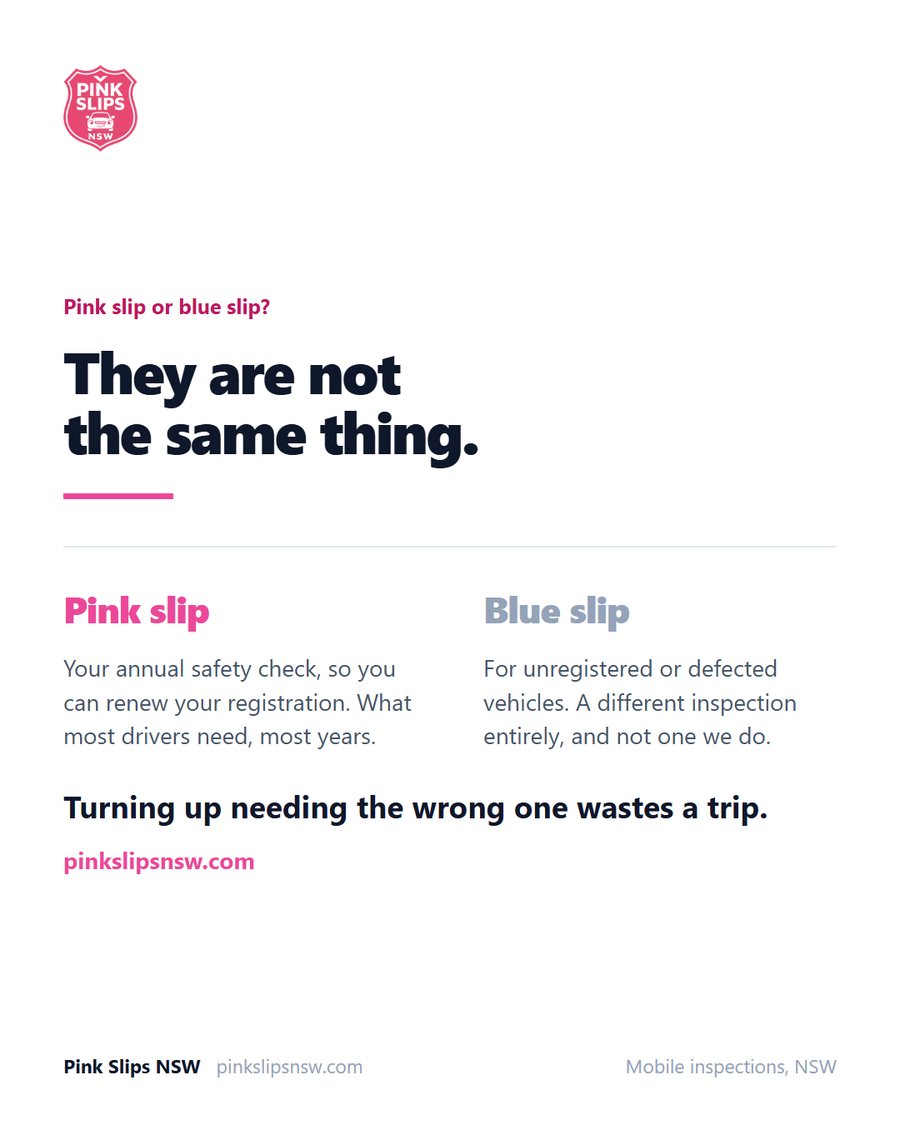
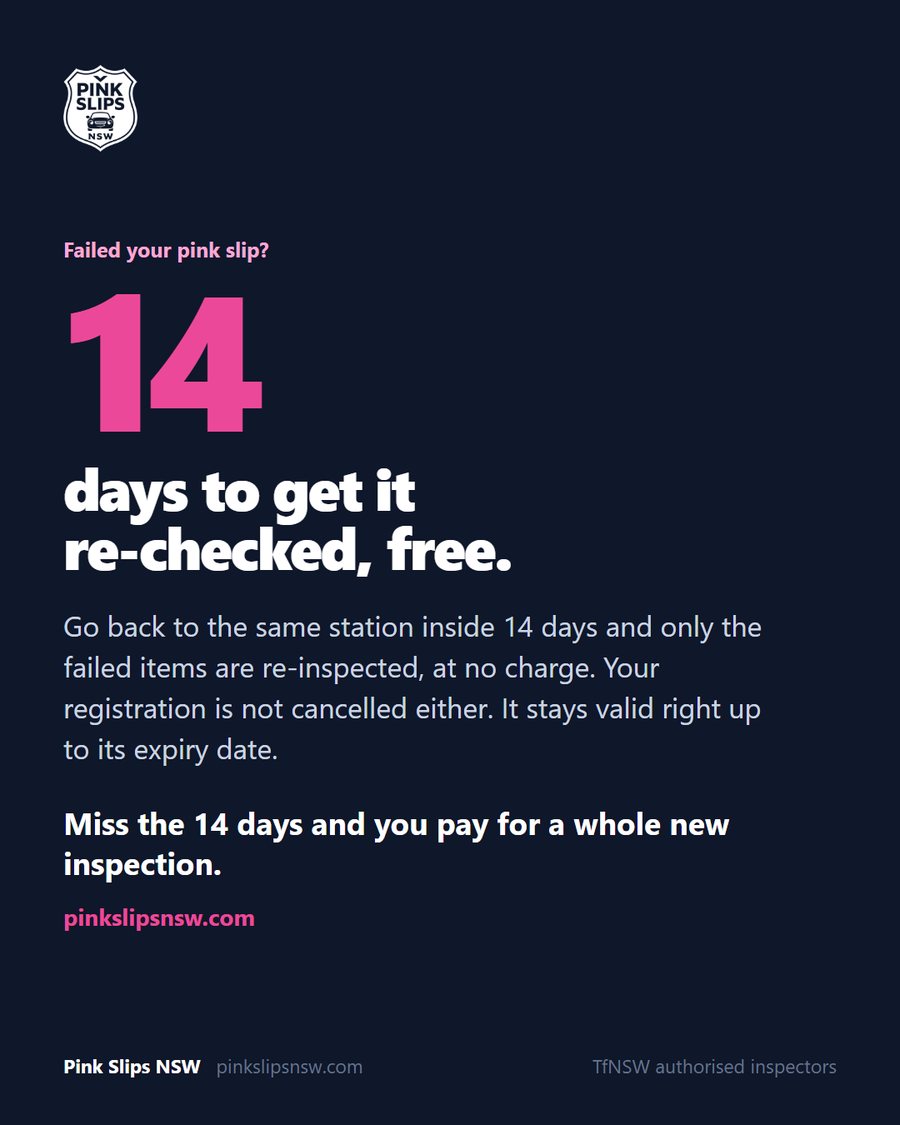
Every slide was built from their own articles, so the claims were already theirs. Along the way two of their pages were found contradicting each other on a legal figure, and they heard about it rather than seeing it published. Work delivered August 2026. Performance will be reported once the month has actually run. We do not publish results we have not earned yet.
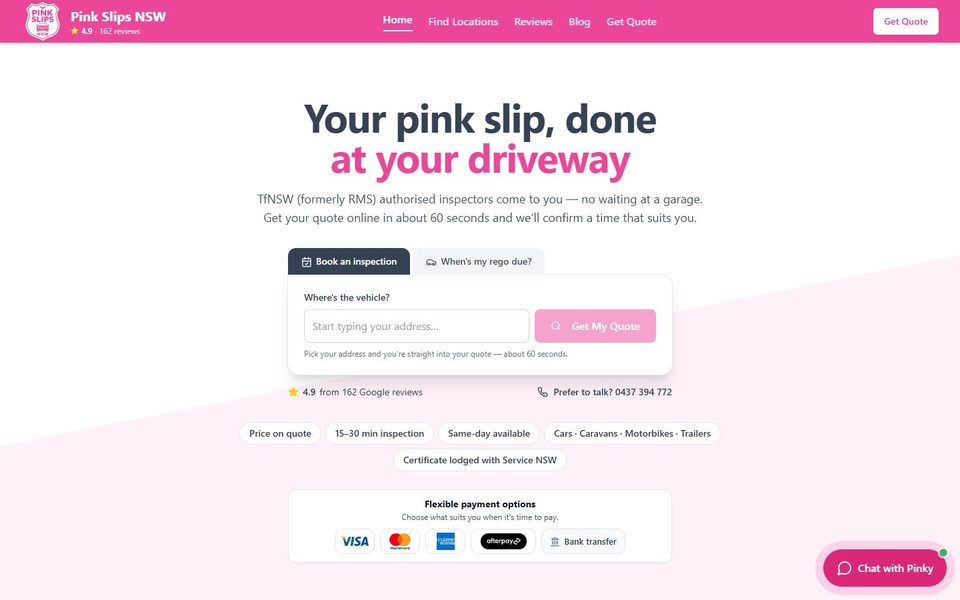
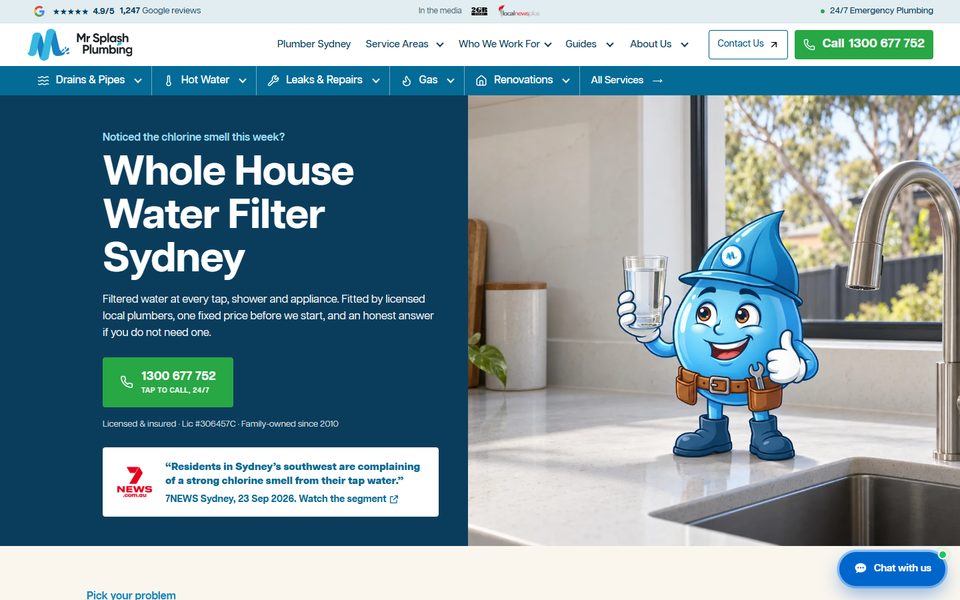
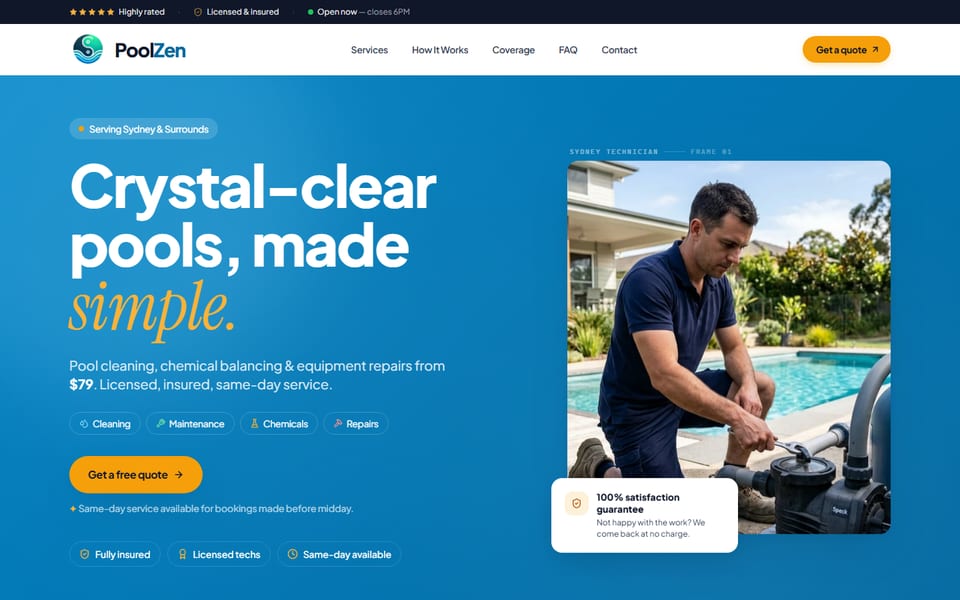
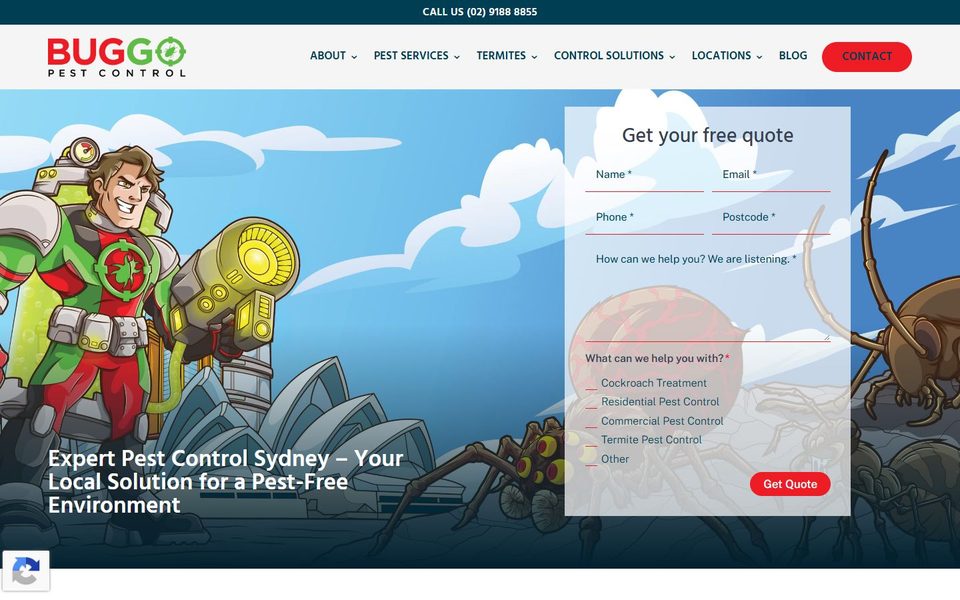
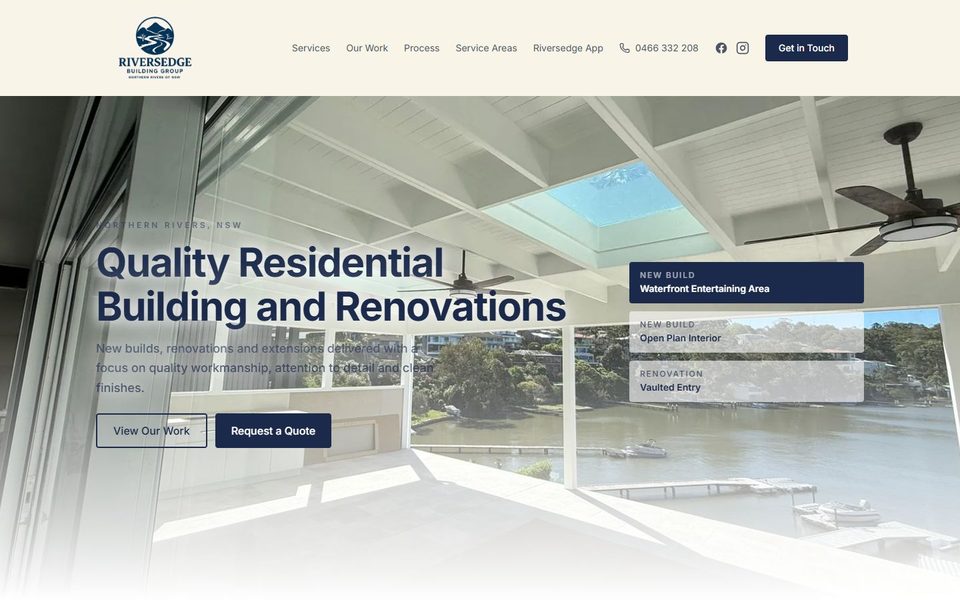
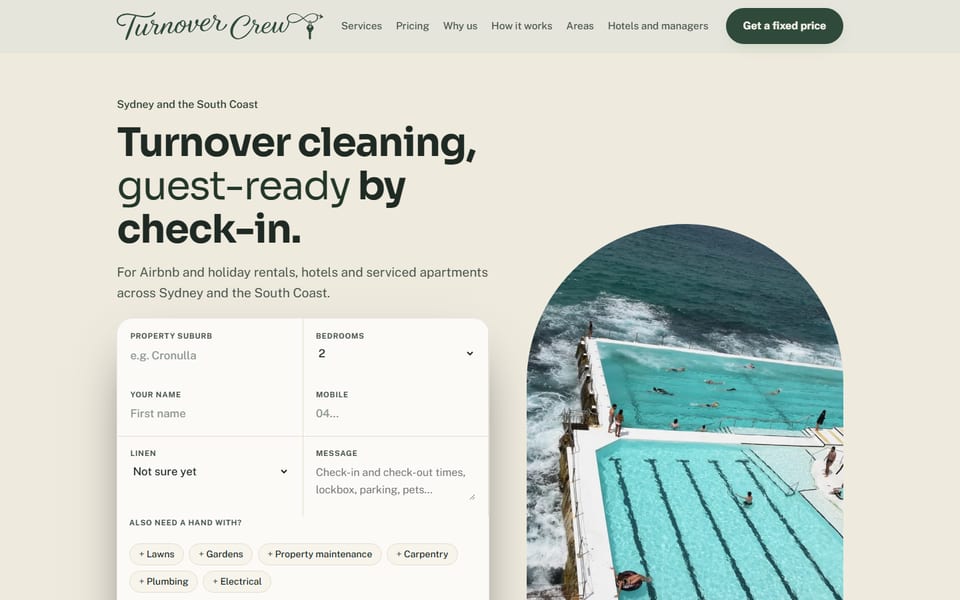
Social runs alongside the same client systems shown here.
How it works
Load your guidelines, or build them.
Every post is generated against your colours, typefaces, logo files and approved claims. If you do not have guidelines, that is the first deliverable and you keep it.
Pick the ground.
Audience research decides the platforms; your strengths decide the format. Strategy is what you say no to.
Build content with substance.
Real work, real expertise, real point of view, produced in batches, scheduled to a committed calendar.
Show up in the replies.
Daily community management: answers, conversations, and the responsiveness that separates active businesses from abandoned accounts.
Pay only for proven content.
Organic performance nominates the winners; paid budget scales them to lookalike audiences. No boosting on hope.
Common questions about social
Does social media actually help my SEO?
Indirectly, and it is worth being precise. Social signals such as likes and shares are not a direct Google ranking factor, and Google has said so publicly since 2015. What social does is feed the things that genuinely move rankings: it puts content in front of people who then link to it, it increases the number of people searching for your brand by name, and it sends real visitors to your site. Anyone telling you likes move rankings directly is selling you something.
What are social signals, then?
The public engagement your content collects on social platforms: shares, comments, saves, follows and mentions. They are best understood as a leading indicator rather than a lever. High engagement means content is reaching people, and reaching people is what produces the backlinks, branded searches and referral traffic that search engines do respond to.
Do you need our brand guidelines before you start?
It helps, and if you have them we build every post from them so the output is unmistakably yours. If you do not have them, we create them first. That is a real deliverable in its own right: colours, typography, logo variants and the rules for using them, extracted from what you already have rather than invented, and yours to use everywhere else.
Which platforms should my business be on?
Wherever your buyers actually spend attention. For B2B that is usually LinkedIn; for local and consumer businesses, Instagram and Facebook. The audit answers this with data, and the answer is almost never 'all of them'. We will also tell you honestly which platforms are an acquisition channel for you and which are a credibility surface, because they need different amounts of effort.
How often should we post?
A sustainable cadence beats a heroic one, typically 3-5 posts a week on a primary platform. Consistency over months is what compounds; bursts that burn out don't.
Do you create all the content?
Yes. Strategy, graphics, copy and scheduling are handled. We'll draw on your photos, projects and expertise so the feed looks like your business, not like stock.
What's included in community management?
Daily monitoring and response, comments, DMs, mentions and reviews routed where they need to go. Fast, human responses are half of what social is for.
Do you run paid social as well?
Yes, organic and paid run as one system. Content that earns engagement organically gets amplified with budget; full paid-social campaigns run under our Meta Ads service.
Social across Australia
The same way of working, tuned to each market's own search data, across 661 location pages including every capital city.
Tell me what you need.
You get a straight answer, from me.