Marketing Automation
Automation, that never clocks off.
Leads answered in minutes instead of Monday. The follow-ups you're losing to busy weeks, recovered by systems that never forget, and never clock off.
I read every enquiry myself.
- You deal with me, start to finish
- Based in Sydney
 HubSpot
 Mailchimp
 Zapier
 Twilio
 Calendly
 ServiceM8
Leads don't go cold, they get dropped. Automation is how follow-up stops depending on memory.
The usual way
An enquiry sits in an inbox until Monday. The quote follow-up depends on whoever's least busy. Six months later the lead buys from whoever called back first, which wasn't you.
How I do it
The enquiry triggers a response in minutes and a sequence that doesn't forget. Sales gets the lead with full context. Nothing depends on anyone remembering anything.
Speed-to-lead is the most mispriced variable in marketing: responding within minutes instead of hours makes a real difference to contact rates, yet most businesses run follow-up on human memory and good intentions. That's a systems gap, not an effort gap.
Good automation is invisible from the outside: customers just experience a business that responds instantly, remembers their context, and follows up exactly when it said it would. Behind that is plumbing we build once and keep maintained.
Follow-up as infrastructure.
Triggers, sequences, handoffs, engineered once, working always.
Speed-to-lead
Instant acknowledgement and routing the moment an enquiry lands, by email, SMS or both. Minutes, measurably.
Nurture workflows
Behaviour-triggered sequences that warm leads at their pace, opened, clicked, visited, quoted all get different paths.
CRM integration
Marketing and sales on one record, every touch logged, every handoff carrying full context.
Lead scoring
Signals ranked so sales calls the hottest lead first, not the newest. Score thresholds trigger the handoff automatically.
Internal alerts
The right person notified at the right moment, new lead, hot lead, stalled deal, missed follow-up.
Reporting spine
Pipeline velocity, conversion by stage, automation performance: the funnel visible end to end.
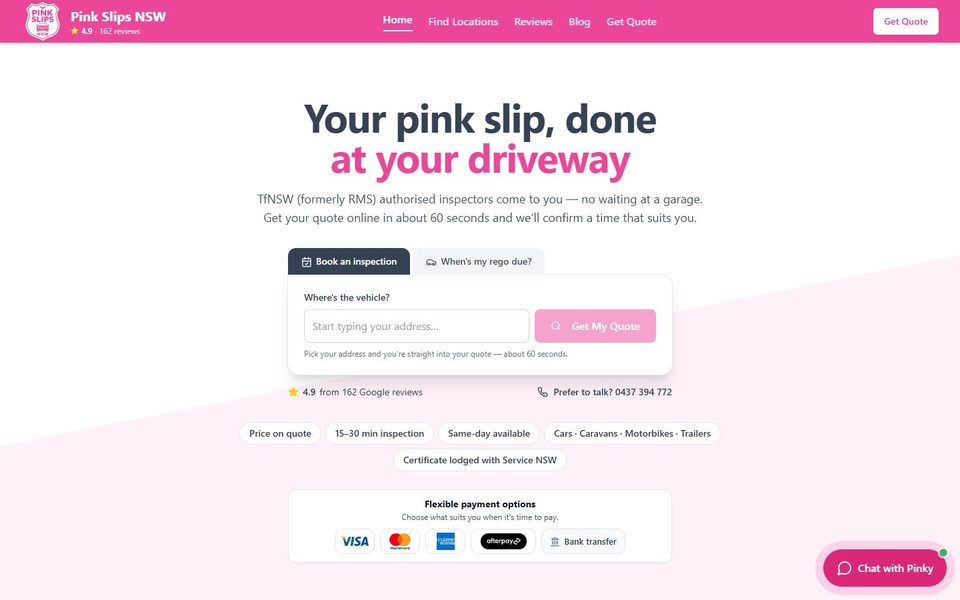
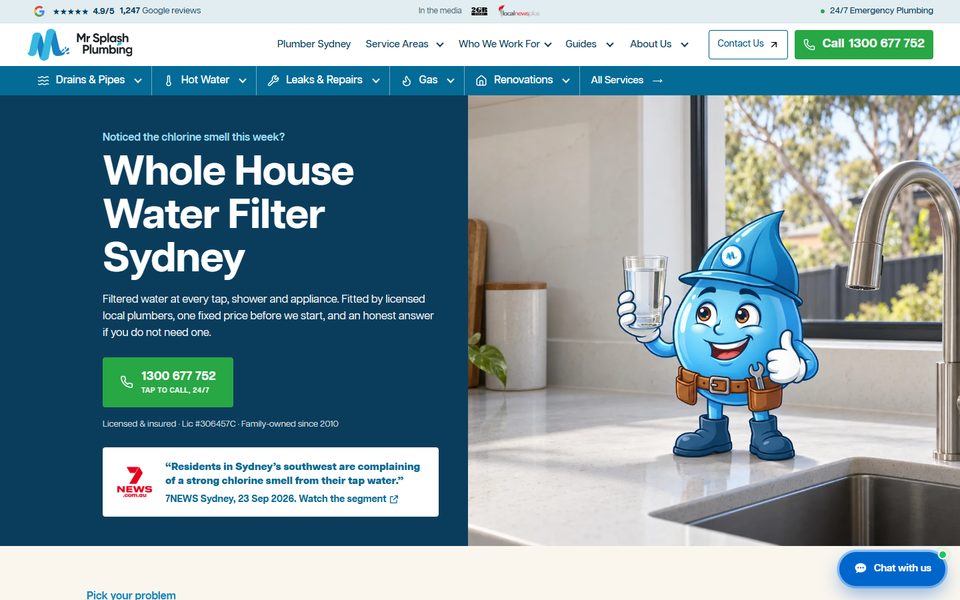
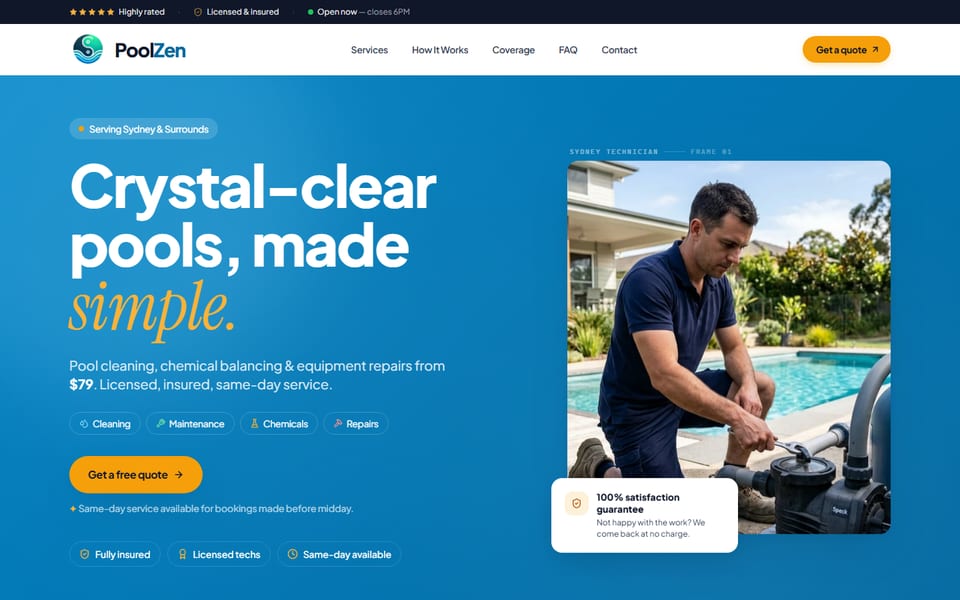
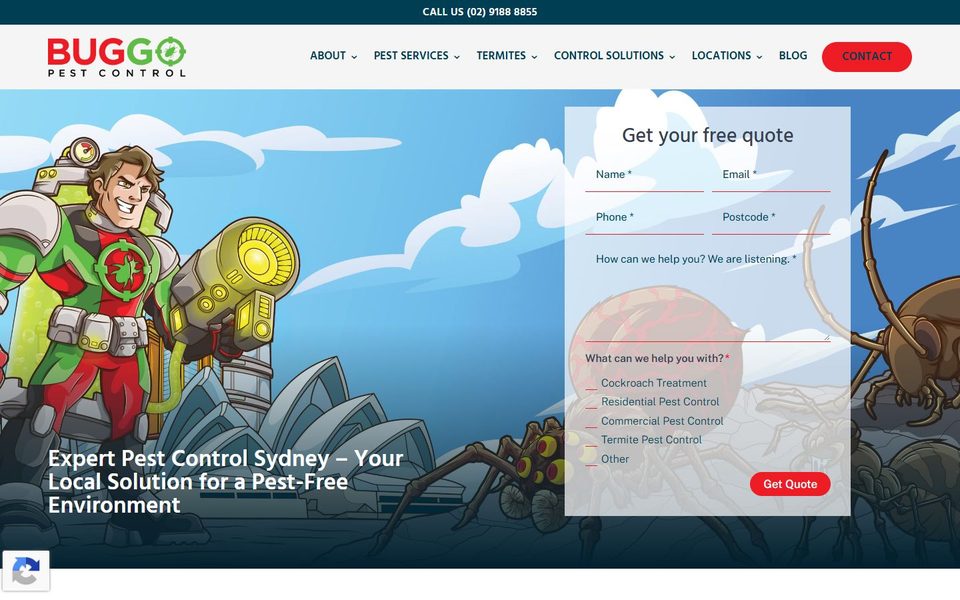
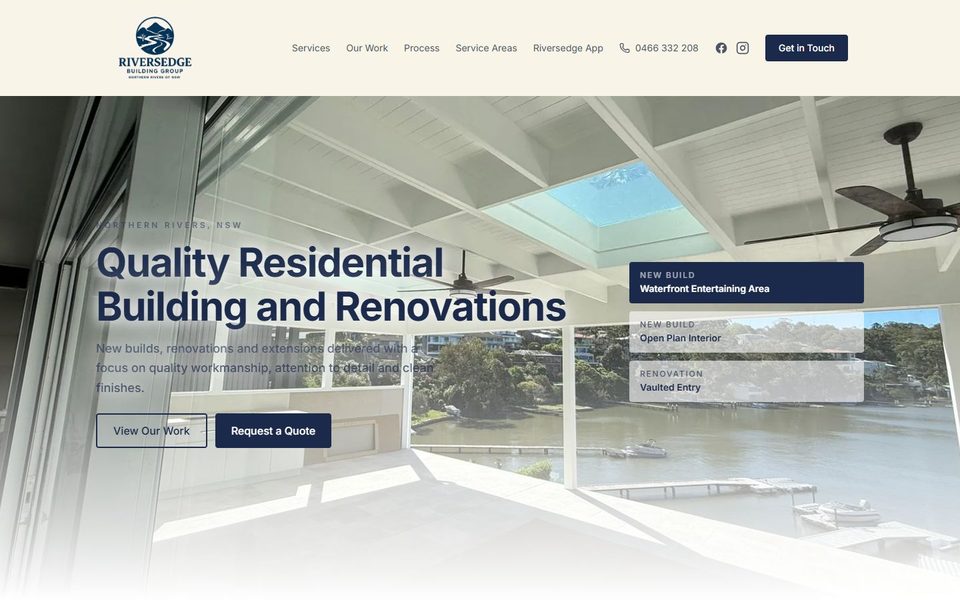
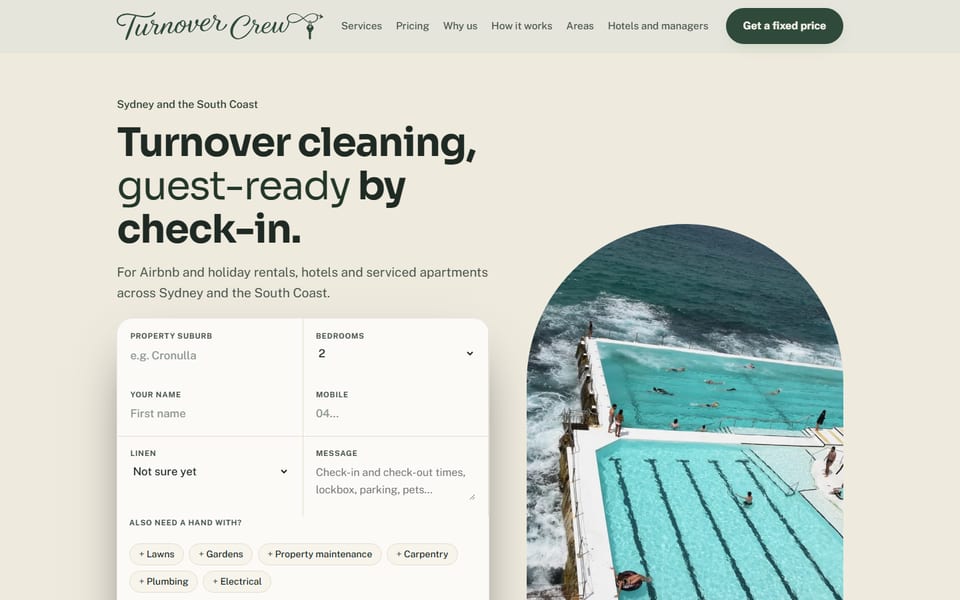
The booking and follow-up systems below are automation running real revenue today.
How it works
Draw the funnel as it really is.
Where leads enter, where they stall, where they leak. The automation plan targets the drops, not the org chart.
Wire the workflows.
Platform configured, sequences written, integrations connected and tested with live data, not launched on faith.
Connect marketing to sales.
Scoring, routing and alerts built so the handoff is instant and the context is complete. No lead enters a void.
Tune on real behaviour.
Sequences tested and timing adjusted on actual engagement data. Automations are software. They get maintained, not abandoned.
Common questions about automation
What is marketing automation?
Software that handles the repetitive, time-sensitive parts of marketing (follow-ups, nurture sequences, lead routing, alerts) so they happen reliably and instantly instead of depending on memory.
How long does setup take?
It depends on the workflows and the systems they connect to. You get a real timeline at scoping, and the first automation is working early, not at the end.
Which platforms do you work with?
HubSpot, ActiveCampaign, Mailchimp, Klaviyo and the integration layer around them. If you have a stack we build into it; if you don't, we recommend the lightest one that does the job.
Do I need a CRM?
Not strictly, but automation gets dramatically more valuable connected to one, because the full customer history drives the triggers. We can integrate yours or stand up a simple one as part of the build.
Can automation work for a small business?
Small businesses arguably gain the most, automation is leverage that doesn't require headcount. A solo operator with good systems can out-follow-up a much bigger competitor without them.
Automation across Australia
The same way of working, tuned to each market's own search data, across 661 location pages including every capital city.
Tell me what you need.
You get a straight answer, from me.